
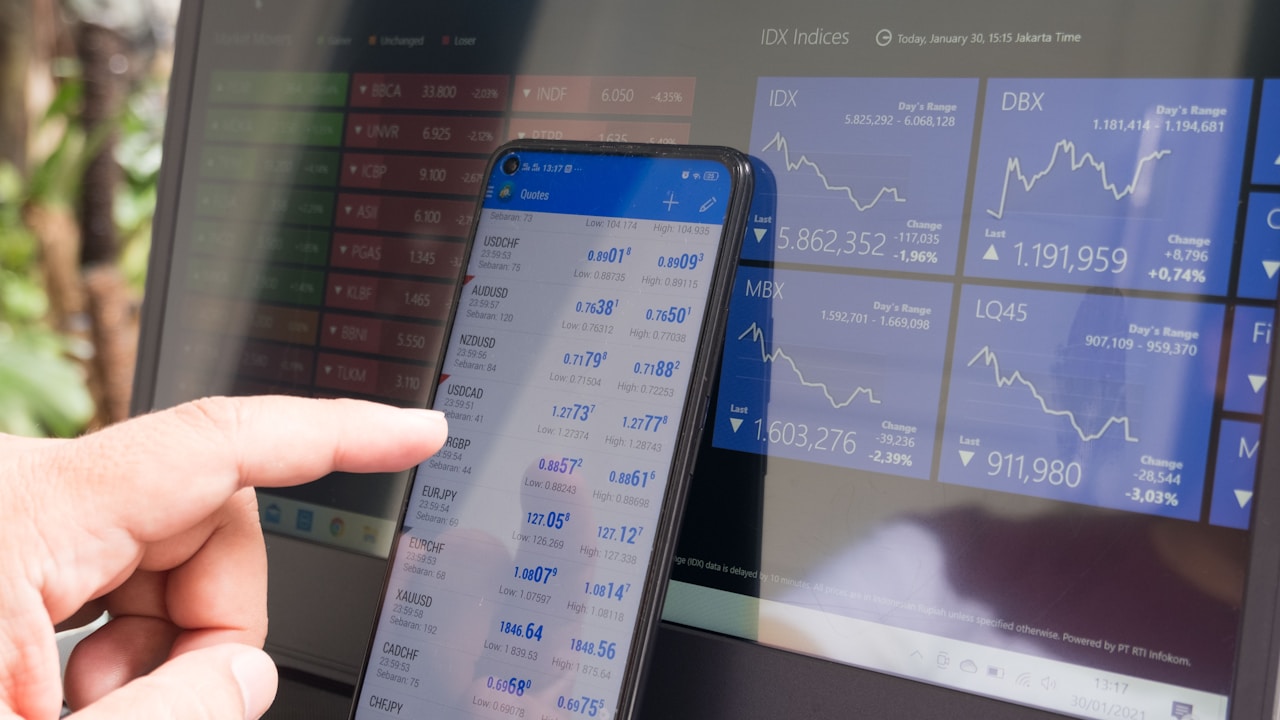
In 2025 the healthy recipes market topped $15 bn, up 12% from 2023, making it the fastest‑growing segment of the broader food industry. That surge rewrites the profit equation for brands that once focused solely on taste.
The breakout was powered by two forces: the U.S. FDA’s 2024 mandatory nutrition‑facts overhaul, which forced retailers to label 85% of packaged meals, and the 2025 AI‑driven recipe platform threshold, where companies like HelloFresh reported a 30% lift in user engagement after integrating generative‑AI suggestions. Together they created a market moment that rewarded data‑rich, health‑first content.
Five Signals Shaping Growth
- Corporate wellness budgets grew 18% YoY in 2025, with firms such as Google allocating $1.2 bn to employee‑focused meal programs, according to Gartner.
- Meal‑kit revenue reached $4 bn in 2025, driven by Blue Apron’s 15% market‑share gain after launching a low‑sugar line, per Grand View Research.
- Plant‑based recipe searches rose 22% year‑over‑year, with Beyond Meat reporting a 9% increase in recipe‑related traffic, cited by Nielsen.
- Food‑tech venture funding hit $2.5 bn in H1 2026, a 35% jump from 2024, highlighted by CB Insights.
- Regulatory pressure forced 70% of major grocery chains to adopt a “healthy‑first” shelf algorithm, a shift quantified by Statista’s 2025 compliance index.
Immediate Actions for Leaders
Re‑engineer product portfolios to meet the new FDA labeling rules. Brands that embed full macro‑nutrient breakdowns on packaging can capture up to 8% more shelf space, per a Kantar study. Prioritize AI recipe tools that personalize low‑sugar, high‑protein meals; early adopters saw a 12‑point lift in repeat orders.
Redirect 10% of R&D spend toward plant‑based flavor development. Companies like Nestlé, which invested $250 m in plant protein R&D in 2025, reported a 14% increase in new product launches. Align corporate wellness contracts with measurable health outcomes to lock in multi‑year deals worth an average of $3 m per client.
Secure strategic partnerships with AI platform providers before Q4 2026 to lock in favorable pricing. Early‑stage agreements can reduce integration costs by 20% and accelerate time‑to‑market for new recipes.
Act now: lock in AI and plant‑based R&D budgets before the Q4 2026 pricing reset.
Strategic Moves 12‑36 Months
Scale up direct‑to‑consumer (DTC) channels. Data from McKinsey shows DTC healthy‑recipe subscriptions grow at a 25% CAGR through 2028; firms that reach a 5‑million subscriber base can offset retail margin compression.
Invest in omnichannel data pipelines that fuse grocery POS, wellness app, and AI usage metrics. Companies that built such pipelines in 2025 reported a 18% uplift in cross‑sell conversion, per Deloitte.
Plan for a phased rollout of “smart kitchen” integrations by 2027, targeting smart‑oven manufacturers like June. Early pilots indicate a 10‑point boost in recipe adoption when devices suggest healthy meals in real time.
Future‑proof: embed these capabilities now to dominate the 2027‑2029 health‑focused food ecosystem.
Potential Deal‑Breakers
A major regulatory rollback, such as the U.S. Senate repealing the 2024 nutrition‑facts rule, would strip away the compliance‑driven demand surge. If the rule is repealed, analysts expect a 7% contraction in market growth, per Bloomberg.
A supply‑chain shock that spikes plant‑protein costs above $3 /kg would erode margins for plant‑based recipe developers. Such a price jump, observed in early 2026 due to soy crop failures, could cut projected revenue by 5‑10%, according to the International Food Policy Research Institute.
Leading Indicator to Watch
The key metric is the quarterly “healthy‑recipe search index” published by Google Trends. Watch the index at the end of each quarter; a sustained dip below 65 points signals waning consumer interest and should trigger a pause on new product launches.
If the index rebounds above 80 points for two consecutive quarters, accelerate AI integration and plant‑based R&D spend by 15% to capture upside.
Key Metrics at a Glance
| Metric | Value | Source |
|---|---|---|
| Global healthy recipes market size 2025 | $15 bn | Statista |
| CAGR 2022‑2025 | 12% | Grand View Research |
| Corporate wellness food market 2025 | $8 bn | Gartner |
| Healthy meal‑kit market 2025 | $4 bn | Grand View Research |
| Plant‑based recipe market 2025 | $3 bn | Nielsen |
| Food‑tech investment 2025 H1 | $2.5 bn | CB Insights |